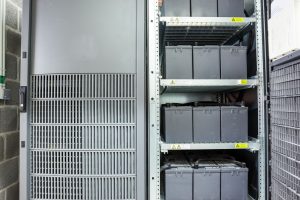
Electrical systems are the backbone of industrial operations. When they fail, the impact can be immediate and costly: unplanned downtime, damaged equipment, production delays, safety hazards, and compliance concerns. Switchgear plays a critical role in preventing those outcomes. It controls, protects, and isolates electrical equipment within a power distribution system, helping facilities maintain safe and reliable operation. But even the best switchgear cannot perform as intended unless it has been properly tested, commissioned, and integrated into the larger electrical system. Switchgear testing and commissioning is the process of verifying that switchgear, circuit breakers, protective relays, controls, insulation systems, and mechanical components operate safely and in accordance with design requirements before the system is energized. For plant managers, maintenance engineers, project teams, and procurement leaders, switchgear testing is not just a technical requirement. It is a risk reduction strategy that protects people, equipment, schedules, and long-term operational performance.
What Is Switchgear Testing and Commissioning?
Switchgear testing confirms that each electrical, mechanical, and control component performs as expected. This includes verifying the integrity of insulation, breaker operation, contact condition, relay settings, control circuits, metering, communications, interlocks, and overall system functionality.
Switchgear commissioning takes that process a step further. It verifies that the installed equipment is ready for safe operation in its actual operating environment. Commissioning confirms that the switchgear is installed correctly, coordinated with the broader power system, aligned with design specifications, and fully documented before energization.
In industrial environments, this process is especially important because switchgear rarely operates in isolation. It often works alongside Power Distribution Centers, Variable Frequency Drives, Motor Control Centers, Uninterruptible Power Supply systems, transformers, protection relays, and control platforms. Paradigm’s service offerings directly align with this integrated environment, including commissioning for protective relays and controls, VFDs, UPS systems, switchgear apparatus, MCC apparatus, and power transformers.
Why Switchgear Reliability Matters in Industrial Facilities
Switchgear failures can disrupt an entire operation. In facilities where uptime, safety, and process continuity are critical, a single failure can halt production, damage downstream equipment, or expose personnel to electrical hazards.
Reliable switchgear supports:
- Safe fault isolation
- Controlled energization and de-energization
- Protection of motors, transformers, feeders, and downstream equipment
- Reduced arc flash and electrical hazard exposure
- Improved maintenance planning
- Greater confidence in system performance
- Better long-term asset reliability
For industries such as oil and gas, petrochemical, carbon capture, municipal water and wastewater, industrial manufacturing, power generation, and data centers, electrical reliability is directly tied to operational performance. Paradigm’s industry experience centers on integrating switchgear with Power Distribution Centers, VFDs, MCCs, and other electrical infrastructure to support demanding industrial applications.
Types of Tests Associated with Switchgear Installation
Switchgear testing is not a single activity but a structured series of procedures, each targeting a specific aspect of equipment performance and condition.
Visual and Mechanical Inspection
Before any electrical testing begins, engineers conduct a thorough visual inspection of all switchgear components. They examine the equipment for physical damage, verify correct alignment, confirm proper assembly, and check the accuracy of nameplate data. Mechanical operation tests then confirm that all moving parts function as designed. The key checks include:
- Verifying that operating times meet specifications at minimum, nominal, and maximum control voltages.
- Confirming the correct function of interlock mechanisms and grounding switches.
- Checking that all covers, doors, and panel sections fit correctly and are properly secured.
Switchgear Insulation Resistance Testing
This test applies a DC voltage to the switchgear to measure the insulation resistance in megohms using a Megger instrument. IEC 61439 requires a minimum voltage of 500 VDC (Volts Direct Current) for low-voltage switchgear assemblies. Low resistance readings indicate degraded insulation that may not be visible to the naked eye. Immediate corrective action is required when readings fall below acceptable thresholds.
High Potential Testing
Also known as the dielectric withstand test, this procedure applies a high voltage to assess the integrity of the switchgear insulation system. It identifies major defects such as inadequate creepage distances and clearance failures that could lead to insulation breakdown under operating conditions. High potential testing usually occurs alongside insulation resistance testing during commissioning. It is especially critical after any repair or cleaning activity on the switchgear.
Contact Resistance Testing
This test measures the electrical resistance across circuit breaker contacts during operation. High contact resistance leads to excessive heat buildup, accelerated wear, and potential equipment failure. A low resistance meter applies a known current and measures the resulting voltage drop across the contacts. All results are then compared against manufacturer specifications to confirm acceptability.
Functional and Operational Testing
Functional testing verifies that every part of the switchgear behaves exactly as specified by the system design. The following items are verified during this phase:
- Protection relay operation at specified trip settings.
- Control circuit functions for tripping, closing, and interlocking.
- Metering circuit accuracy and communication interface performance.
- Correct sequential switching operation to prevent operator error and equipment damage.
Commissioning Steps: A Structured Approach
Commissioning is the process of verifying that installed switchgear meets all design specifications and is ready for safe operation. A structured approach reduces risk, prevents oversights, and produces documentation that supports long-term maintenance and performance tracking. The following steps outline a best practice commissioning process:
- Appoint a qualified commissioning engineer: The engineer reviews all applicable drawings, specifications, and design intent documents. Their credentials must be submitted to the client for approval before work commences.
- Conduct a pre-commissioning site survey: This confirms correct installation, proper grounding, accurate alignment, and structural integrity of the switchgear enclosure.
- Complete factory acceptance tests at the manufacturer’s facility: These tests verify the performance of all accessories, including circuit breakers and instrument transformers, before equipment delivery to the site.
- Conduct site acceptance tests after installation is complete to confirm that the switchgear performs correctly in its actual operating environment.
- Execute all individual equipment tests: insulation resistance, contact resistance, high-potential, and functional tests on every component.
- Verify protection relay settings and system coordination: Settings must align with the overall system protection philosophy to guarantee correct fault isolation.
- Formally document all test results: Signed and witnessed records provide a baseline for future maintenance activities and support warranty claims.
- Obtain client approval before energizing the system: This formal sign-off confirms that all tests have passed and that the system is safe to bring into service.
How Testing and Commissioning Improve Switchgear Safety, Reliability, and Compliance
Thorough testing and commissioning deliver measurable benefits that extend well beyond the initial installation phase, directly impacting reliability, safety, compliance, and cost.
Reliability and Safety
Untested switchgear introduces hidden risks into an electrical system. Testing identifies defects before they cause failures in the field, protecting personnel from serious electrical hazards. Properly commissioned switchgear also ensures reliable fault isolation during emergencies, preventing damage from spreading to other parts of the system.
System Integration
Modern facilities rely on switchgear that communicates with control systems, protection relays, and monitoring platforms. Commissioning validates that all these interfaces operate together correctly and reliably, confirming that the switchgear functions as a fully integrated component of the larger electrical system.
Compliance with International Standards
Testing and commissioning must comply with standards such as IEC 62271 for high-voltage switchgear and IEC 61439 for low-voltage assemblies. Commissioning ensures that all installed equipment fully meets these regulatory requirements. Noncompliance can lead to project delays, legal liability, and complications with insurance coverage.
Long-Term Cost Savings
A switchgear failure in service is far more costly than detecting a defect during testing. Downtime, emergency repairs, and equipment replacement costs vastly exceed commissioning investments. A structured maintenance and testing program also significantly extends the operational life of switchgear assets, delivering ongoing value to the business.
Partner with Paradigm for Expert Switchgear Testing and Commissioning
Switchgear testing and commissioning is a specialized discipline that demands deep technical expertise, rigorous process management, and meticulous documentation. At Paradigm, we bring proven engineering methodology and hands-on experience to every project we undertake. Our teams deliver comprehensive testing and commissioning services that protect your investment, ensure regulatory compliance, and optimize system performance from day one. We reduce operational risk, provide full test documentation, and support your team throughout the entire commissioning process. Whether you are commissioning a new installation or maintaining existing infrastructure, Paradigm is your trusted partner for electrical system integrity. Contact us today to discuss how Paradigm can support your switchgear testing and commissioning requirements and help you build a safer, more reliable electrical system.
FAQ: Switchgear Testing and Commissioning
Switchgear testing is the process of inspecting and verifying the electrical, mechanical, insulation, protection, and control functions of switchgear equipment. It helps confirm that the equipment is safe, reliable, and operating in accordance with design requirements.
Switchgear commissioning confirms that installed equipment is ready for safe operation before energization. It verifies installation quality, protection settings, control circuits, equipment performance, documentation, and system integration.
Common switchgear tests include visual and mechanical inspections, insulation resistance testing, high-potential testing, contact resistance testing, protection relay testing, control circuit testing, metering checks, and functional operation testing.
Testing frequency depends on the type of equipment, operating environment, manufacturer recommendations, criticality, and applicable standards. Switchgear testing should occur during commissioning, after repairs or modifications, and as part of a preventive maintenance program.
Improperly commissioned switchgear can lead to nuisance trips, failed protection, unsafe operation, equipment damage, project delays, compliance issues, and unplanned downtime.
Yes. Paradigm provides installation and commissioning support for electrical power systems, including switchgear apparatus, protective relays and controls, VFDs, UPS systems, MCC apparatus, and power transformers.