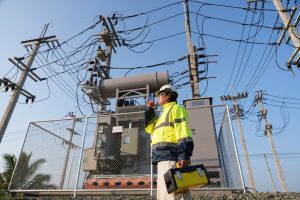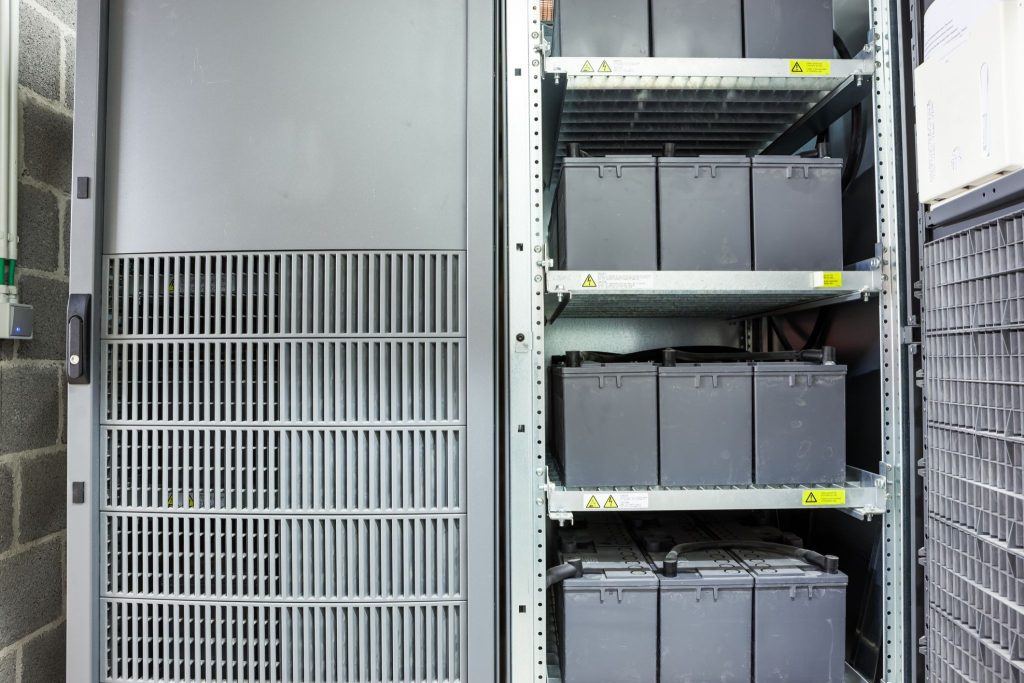
In industrial operations, uptime is not a convenience. Rather, it is a requirement. A momentary power disturbance can trip compressors, shut down process units, interrupt automation systems, and create cascading operational losses. In sectors such as oil and gas, petrochemical processing, municipal water treatment, carbon capture, and data centers, even a brief interruption can carry safety, environmental, and financial consequences. This is why modern facilities are placing greater emphasis on uninterruptible power supply systems and integrated energy storage within their Power Distribution Centers. The conversation is no longer about installing a standalone UPS. It is about engineering a resilient, coordinated power ecosystem that protects critical loads and supports long-term operational stability. This article explains the design, integration, and strategic importance of UPS battery systems within industrial Power Distribution Centers to ensure reliability, safety, and operational continuity across critical infrastructure environments.
The Role of UPS Battery Systems in Industrial Environments
A UPS system provides immediate backup power during grid disturbances, voltage sags, or complete outages. For sensitive electronic equipment, automation controls, and protection relays, this bridge in power can prevent shutdowns and equipment damage.
In industrial environments, UPS systems commonly support:
- Distributed control systems
- PLC networks
- Protection and relay panels
- Communication systems
- Critical instrumentation
- Safety systems
- Data center server racks
While the concept of backup power sounds straightforward, industrial applications introduce layers of complexity. This is because high ambient temperatures, hazardous classifications, large motor loads, and remote installation sites all influence the design and deployment of a UPS. Hence, highlighting the need for proper integration into the broader electrical infrastructure.
Why Integration Within Power Distribution Centers Matters
Power Distribution Centers (PDCs) serve as the backbone of many industrial facilities. These prefabricated electrical buildings house switchgear, medium voltage drives, motor control centers, transformers, protection systems, and increasingly, UPS and battery systems.
Integrating UPS and energy storage inside a PDC provides several advantages:
- Centralized coordination of protection systems
- Reduced installation time in the field
- Improved environmental control
- Simplified maintenance access
- Enhanced arc flash and fault protection management
However, integration must be engineered correctly.
Short circuit ratings, grounding schemes, harmonic mitigation, ventilation, thermal management, and cable routing require evaluation in relation to the larger distribution system. Also, proper coordination of the UPS with upstream and downstream switchgear is necessary to avoid protection conflicts or vulnerability points.
Paradigm Controls approaches UPS integration as part of a full system design process. Evaluations such as load studies, fault current analysis, and protection coordination occurs alongside equipment selection. This ensures that the battery-backed system performs as intended without compromising the integrity of the overall distribution network.
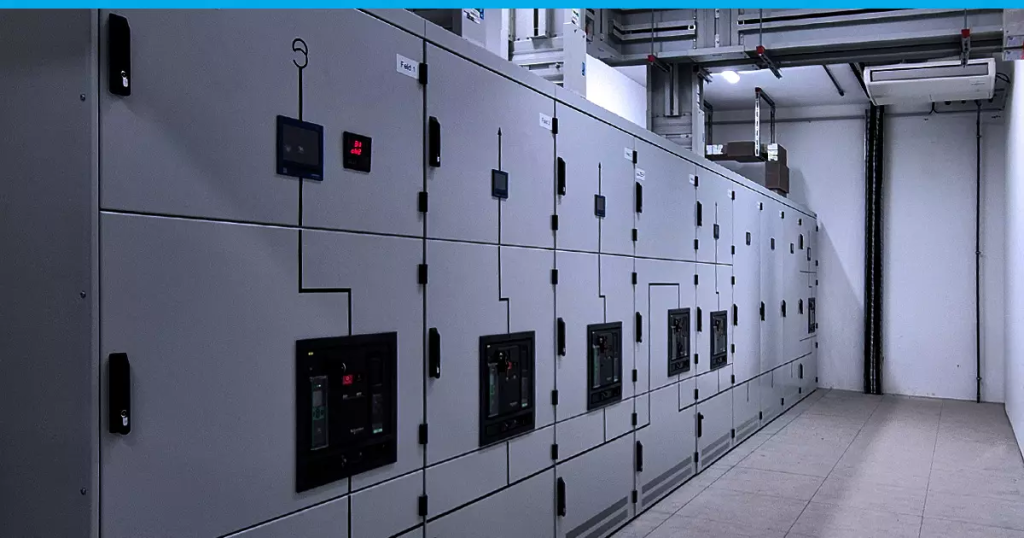
Design Considerations for Industrial UPS Battery Systems
Industrial environments demand more than commercial-grade solutions. Several critical design considerations must be addressed during integration.
Environmental Conditions
Industrial sites often experience high ambient temperatures, dust, humidity, and corrosive exposure. Battery performance is sensitive to temperature. Excessive heat shortens battery life and reduces reliability.
Proper enclosure design, ventilation, and HVAC integration inside the PDC are essential, because thermal management requires calculation, not assumption
Load Characteristics
Industrial loads differ significantly from office or retail environments. Large motors, variable frequency drives, and high inrush currents can influence system stability. While UPS systems typically support control and low-voltage systems rather than large motor loads, they require protection from upstream disturbances due to motor starting or switching events. Proper isolation, filtering, and coordination are necessary to prevent nuisance trips.
Autonomy Requirements
Some facilities require only a few minutes of autonomy to allow safe shutdown procedures. Others, such as data centers or remote pipeline stations, may require extended runtime until generators come online.
Determining the correct autonomy duration impacts battery sizing, footprint, weight, and cost. Oversizing can inflate capital expense. Whereas, undersizing can create operational risk.
Compliance and Standards
Industrial energy storage systems must comply with multiple standards and codes, including UL 9540, NFPA 855, IEEE guidelines, and applicable NEMA or IP ratings.
When these systems are integrated within a Power Distribution Center, additional requirements such as arc flash mitigation, grounding integrity, and fire suppression must be addressed holistically. Compliance is about passing inspection, as well as protecting personnel and assets over the long term.
Lifecycle Cost and Long-Term Reliability
Selecting a UPS or battery system based solely on initial capital cost can be shortsighted. Lifecycle performance should be evaluated carefully. This is because variables such as battery chemistry, temperature management, monitoring capability, and maintenance requirements all influence the total cost of ownership. Modern systems increasingly incorporate real-time monitoring through battery management systems and networked diagnostics. These tools provide visibility into temperature, voltage, and performance metrics, allowing predictive maintenance rather than reactive repairs. A failed battery string during an outage is not just an inconvenience, but can result in lost production, equipment damage, or safety exposure. Designing for reliability from the beginning reduces these risks.
The Importance of Engineered Integration
The industrial power landscape is evolving rapidly. Electrification demand continues to grow. Grid stability concerns are becoming more common. Facilities are under pressure to improve efficiency and reduce downtime.
As these challenges increase, integrated solutions become more valuable. A UPS system should not be treated as a separate afterthought. Rather, it must be coordinated with medium voltage switchgear, motor control centers, transformers, and protection systems.
Paradigm Controls brings experience in complex electrical system integration, including medium voltage drives, switchgear lineups, and Power Distribution Centers deployed across demanding industries. This integration expertise ensures that battery-backed systems function as part of a cohesive, reliable electrical architecture. Every project is approached with a focus on performance, compliance, and long-term value. That means disciplined engineering, careful equipment selection, and a commitment to execution.
Looking Ahead
Energy storage technology continues to advance. Improved battery chemistries, smarter monitoring systems, and modular solutions are reshaping how facilities approach backup power. At the same time, industrial demands are increasing. Facilities require greater reliability, faster deployment, and scalable infrastructure. The future of industrial power distribution will rely on engineered integration. Facilities that invest in coordinated UPS and energy storage systems today position themselves for resilience tomorrow.
Partnering with Paradigm Controls
Reliability is not achieved through components alone. It is achieved through integration, expertise, and execution.
Paradigm Controls works with plant managers, engineers, and procurement teams to design and integrate UPS and energy storage systems within Power Distribution Centers that meet the specific demands of each facility. From concept through commissioning, the focus remains on safety, performance, and operational continuity. In mission-critical environments, there is little margin for error. A well-engineered, properly integrated UPS system can be the difference between uninterrupted operation and costly downtime.
If your facility is evaluating upgrades to its power infrastructure or planning a new installation, Paradigm Controls is ready to help you engineer a resilient solution that protects your operations and supports your long-term goals. Contact us today for more details.