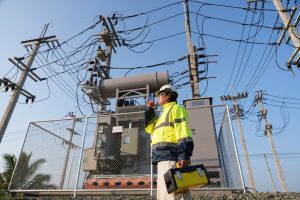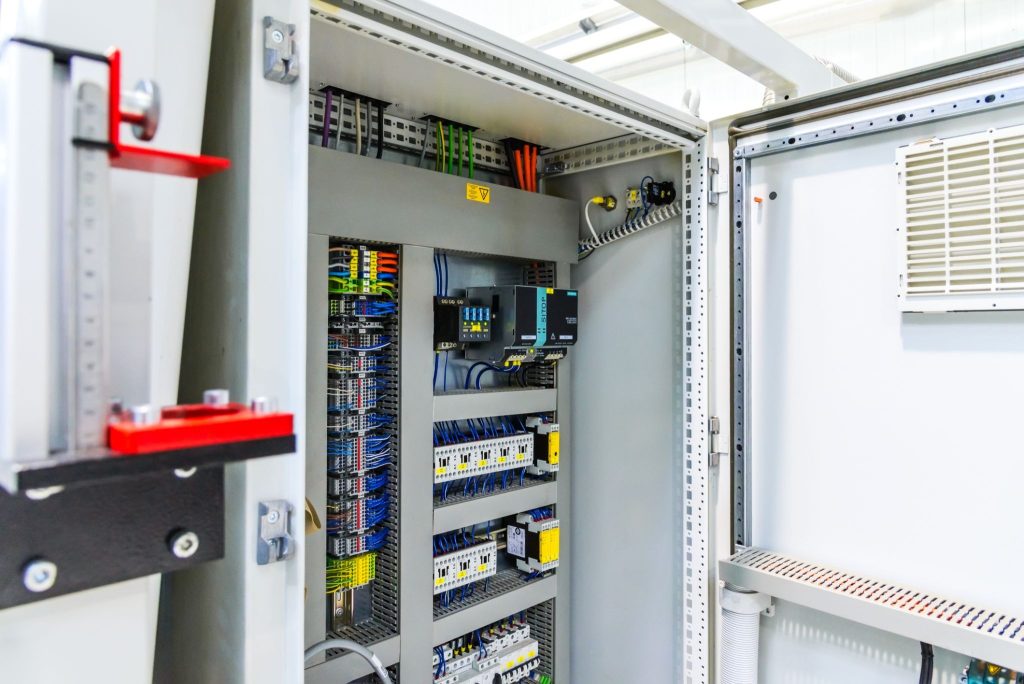
Industrial facilities depend on reliable electrical equipment to maintain production, protect personnel, and minimize costly downtime. Variable Frequency Drives (VFDs), switchgear, and Motor Control Centers (MCCs) often remain operational for decades, but longevity alone does not guarantee reliability. As manufacturers discontinue products, replacement parts become scarce, and safety standards evolve, aging equipment can become a significant operational risk. A proactive obsolescence management strategy helps organizations identify aging assets before they become liabilities. Rather than waiting for equipment to fail unexpectedly, facilities can plan upgrades, control capital spending, and improve system reliability through phased modernization.
What Is Obsolescence Management?
Obsolescence management is the systematic process of identifying, evaluating, and mitigating the risks associated with aging equipment, discontinued components, and unsupported technologies throughout an asset’s lifecycle. Rather than reacting after equipment fails, obsolescence management focuses on planning upgrades before reliability, safety, or parts availability become serious concerns.
For industrial electrical systems, this includes:
- Variable Frequency Drives (VFDs)
- Motor Control Centers (MCCs)
- Low-voltage and medium-voltage switchgear
- Protective relays
- PLC hardware
- Human Machine Interfaces (HMIs)
- Power monitoring equipment
- Industrial communication networks
A structured lifecycle strategy reduces unexpected failures, supports long-term budgeting, and improves the reliability of critical operations.
Why Industrial Electrical Equipment Becomes Obsolete
Electrical equipment rarely becomes obsolete because it stops functioning. In many cases, it continues operating well beyond its intended service life. The real issue is that manufacturers eventually discontinue support, replacement components become unavailable, and newer technologies surpass older systems in safety, reliability, and performance.
Several factors contribute to equipment obsolescence.
Manufacturer End-of-Life (EOL)
Manufacturers periodically discontinue older product families as new technologies replace them. Once an End-of-Life (EOL) notice is issued, production of new units stops, firmware updates end, technical support becomes limited, spare part inventories gradually disappear, and repair options become increasingly expensive.
Eventually, organizations are forced to replace equipment under emergency conditions rather than during planned maintenance.
Electronic Component Discontinuation
Modern VFDs, relays, and control systems rely on semiconductors, processors, communication chips, and memory devices. When these electronic components become obsolete, manufacturers can no longer produce repair boards or replacement assemblies, making repairs impractical or impossible.
Aging Mechanical Components
Mechanical wear, while not the most common, also contributes to obsolescence. Even if electronic components remain available, aging mechanical systems eventually reduce equipment reliability.
The most common examples of this are,
- Breaker operating mechanisms
- Contactors
- Cooling fans
- Capacitors
- Bus insulation
- Vacuum interrupters
- Relay contacts
Changing Safety Standards Necessitates Obsolescence Management
Electrical standards continue to evolve as new safety technologies become available. Older equipment may no longer support safety systems such as Arc Flash Mitigation Technologies, Protective Relays, Remote Operation Capability, and Improved Fault Detection.
Although older equipment may still function, it may not provide the level of protection expected in modern industrial environments.
Software and Communication Limitations
As industrial facilities adopt digitalization and Industrial Internet of Things (IIoT) technologies, communication limitations become increasingly significant. Many legacy systems rely on outdated software platforms and communication protocols.
Older equipment may lack support for:
- Ethernet/IP
- PROFINET
- Modbus TCP
- IEC 61850
- Secure remote connectivity
- Modern SCADA integration
What Risks Does Obsolete Electrical Equipment Create?
Obsolete electrical equipment introduces operational, financial, and safety risks that extend well beyond the equipment itself.
Increased Unplanned Downtime
The most immediate consequence is longer production interruptions. When obsolete equipment fails, replacement parts may require weeks or months to source. Additionally, repair specialists become difficult to find, and emergency engineering costs increase, resulting in production losses.
In continuous process industries, even a few hours of downtime can have substantial financial consequences.
Limited Spare Parts Availability
As inventories decline, organizations often rely on used or refurbished equipment. Another go-to solution is third-party repairs, also called salvaging. These options can help temporarily, but they rarely provide a sustainable long-term maintenance strategy.
Higher Maintenance Costs
Maintenance expenses typically rise as equipment ages. Eventually, maintaining obsolete equipment becomes more expensive than replacing it.
Safety Risks
Modern equipment often incorporates safety improvements that significantly reduce operational risks. Older switchgear and MCCs may expose maintenance personnel to greater hazards. Potential concerns include:
- Increased arc flash energy
- Mechanical failure during switching
- Reduced protective device performance
- Insulation degradation
- Aging breaker mechanisms
Cybersecurity Exposure
Many legacy VFDs and industrial controllers were developed before modern cybersecurity practices became standard. Unsupported devices from that time may no longer be eligible to receive security updates, which contain important vulnerability fixes.
As industrial networks become increasingly connected, unsupported equipment can become a weak point within the plant’s cybersecurity strategy.
Signs Your Electrical Equipment May Be Approaching Obsolescence
Several indicators suggest it may be time to evaluate modernization options.
| Warning Sign | Why It Matters |
| The manufacturer issued an End-of-Life notice | Future support and spare parts become limited |
| Increasing equipment failures | Reliability is declining |
| Replacement parts have long lead times | Extended outages become more likely |
| OEM technical support is unavailable | Troubleshooting becomes more difficult |
| Maintenance costs continue rising | Total ownership costs increase |
| Equipment lacks modern communication capabilities | Integration with newer automation systems becomes challenging |
| Arc flash studies recommend upgrades | Safety improvements may be necessary |
| Critical spare parts must be purchased through secondary markets | Supply chain risk increases significantly |
How to Build an Effective Obsolescence Management Strategy
The best approach is proactive rather than reactive.
Organizations that plan modernization years before equipment reaches critical failure experience lower costs and less operational disruption.
Develop a Complete Asset Inventory
Begin by documenting every major electrical asset. A complete asset database forms the foundation of lifecycle planning.
The inventory should include:
- Manufacturer
- Model number
- Serial number
- Installation date
- Firmware version
- Communication protocol
- Criticality ranking
- Maintenance history
Assess Equipment Lifecycle Status
Each asset should be classified according to its current lifecycle stage, ranging from fully supported equipment to obsolete systems with no remaining manufacturer support. This evaluation helps identify modernization priorities before reliability declines.
Prioritize Critical Equipment
Not every obsolete asset requires immediate replacement. Instead, evaluate equipment based on its production impact and safety implications. Meanwhile, downtime costs, operational redundancy, and repair history are also good markers. Finally, focus on parts availability.
Note: Risk-based prioritization helps maximize capital investment.
Maintain Critical Spare Parts
For critical equipment nearing obsolescence, maintaining strategic spare inventories can reduce downtime while modernization plans are developed.
Critical spare parts may include control boards, cooling fans, power modules, protective relays, communication cards, and breaker trip units, etc. However, keep in mind that spare parts should complement modernization planning rather than replace it.
Plan Phased Modernization Projects
Replacing every asset simultaneously is rarely practical. Instead, many facilities implement phased upgrades that not only reduce capital expenditures but also minimize shutdown durations and lower operational risk by allowing integration with existing infrastructure.
Phased modernization also simplifies workforce training and commissioning activities.
Review Obsolescence Regularly
Obsolescence management is an ongoing process rather than a one-time project. Annual reviews help organizations:
- Update lifecycle assessments
- Monitor OEM announcements
- Track spare parts availability
- Adjust capital improvement plans
- Identify emerging risks before failures occur
Repair, Retrofit, or Replace: Which Option Is Best in Obsolescence Management?
The appropriate strategy depends on the condition, support status, and operational importance of the equipment. A lifecycle cost analysis often shows that planned modernization provides a lower total cost of ownership than repeatedly repairing obsolete equipment.
| Option | Best Used When | Advantages | Limitations |
| Repair | Equipment remains supported, and parts are readily available | Lowest short-term cost | May only delay replacement |
| Retrofit | Existing infrastructure is sound, but controls or protection require modernization | Extends asset life while improving performance | Compatibility must be carefully evaluated |
| Replace | Equipment is obsolete, unreliable, or presents safety concerns | Improves reliability, safety, and long-term support | Higher initial capital investment |
Frequently Asked Questions on Obsolescence Management
Here are some of the most common questions relating to Obsolescence Management for VFDs, Switchgear, and MCCs.
Most industrial facilities should review the lifecycle status of critical electrical assets annually or whenever significant changes occur in production, maintenance requirements, or OEM support.
Industries that depend on continuous operation, including oil and gas, petrochemical, manufacturing, power generation, water and wastewater treatment, mining, and data centers, benefit from proactive lifecycle planning because unexpected downtime can have substantial financial and operational consequences.
Yes. Planning equipment upgrades years in advance allows organizations to budget for modernization, coordinate installations with scheduled shutdowns, and avoid the premium costs associated with emergency replacements.
Yes. Identifying aging assets before failures occur enables facilities to address known risks proactively, reducing unexpected outages and improving long-term system performance.
Partner with Paradigm Controls for Proactive Obsolescence Management
Obsolescence is an inevitable part of every industrial electrical system, but unexpected failures do not have to be. Paradigm Controls works with industrial facilities to assess equipment condition, identify lifecycle risks, develop phased upgrade plans, and implement solutions that improve reliability while minimizing production disruptions.
Whether you’re planning a system-wide modernization, evaluating aging assets, or preparing for future capital investments, Paradigm Controls can help you develop a practical strategy that keeps your electrical systems safe, maintainable, and future-ready. Get in touch today for a free expert opinion on your specific project.