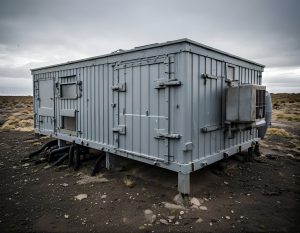
Power distribution projects are rarely as simple as specifying equipment, installing it, and energizing the system. This is because a complex industrial project typically involves switchgear, transformers, Motor Control Centers (MCCs), Variable Frequency Drives (VFDs), Uninterruptible Power Supply (UPS) systems, controls, protective devices, Power Distribution Centers (PDCs), and equipment from multiple manufacturers. Each component may meet its individual specification and still create problems if the complete system is not properly engineered, coordinated, integrated, and commissioned. That is why choosing a power distribution partner involves a lot more than finding a company that can supply equipment. A strong turnkey partner creates a clear line of responsibility from early engineering and equipment selection through integration, installation, commissioning, and long-term support.
Here are the capabilities to evaluate.
Start With Engineering Expertise
The right solution begins with the right questions.
How much power is available? What loads will the system serve? What are the environmental conditions? Are there space or cooling constraints? What level of redundancy is necessary? How will the system be controlled? What are the future expansion considerations?
These decisions affect nearly every part of the project.
Consider a VFD. Motor horsepower is only one factor in proper selection. Other factors such as load characteristics, operating environment, control requirements, cooling, system configuration, and integration with upstream and downstream equipment can all influence the final design. The same principle applies to switchgear, MCCs, UPS systems, transformers, and the rest of the electrical distribution system. The goal is to find a partner that can support both application and detailed engineering, system design, power system studies, and the technical development required to turn a concept into a complete deliverable.
Equipment Selection Should Serve the Application
One advantage of working with an independent integrator is the ability to select equipment based on the project rather than forcing the project around a particular manufacturer’s product line. This distinction matters because different manufacturers have different strengths, lead times, service capabilities, footprints, and product offerings. A turnkey partner should understand those differences and help determine which combination makes sense for the application.
For the customer, this creates flexibility. Instead of managing several equipment vendors independently, there is one partner responsible for making sure those components fit into the larger system.
Look Closely at Integration Experience
Individual components can meet every specification and still create problems when assembled into a system. This is where an experienced electrical integrator creates significant value.
Consider a PDC containing switchgear, MCCs, VFDs, UPS equipment, protection and control systems, HVAC, and supporting infrastructure. Each piece has its own requirements, but the complete package must operate as a coordinated electrical system. Achieving this requires attention to physical layout, internal wiring, equipment clearances, environmental requirements, cooling, communications, control interfaces, cable routing, and protection.
The goal should be to resolve as many of those issues as possible before equipment reaches the job site. Internal interconnection, cabling, wiring, equipment placement, and interface requirements that are completed and verified before shipment can reduce field rework and eliminate unnecessary surprises during installation. For projects involving multiple manufacturers, large-horsepower equipment, or complex site requirements, that history of integration provides an important advantage.
Treat Project Management as a Technical Capability
On a complex power distribution project, project management is an invaluable competence, not just an administrative function. A delayed equipment package can disrupt an installation schedule. A design change may affect several suppliers. A missed interface requirement can remain hidden until commissioning. Each decision creates dependencies across engineering, sourcing, manufacturing, integration, and field execution. Someone has to understand those dependencies and take responsibility for managing them.
When evaluating a turnkey partner, ask who owns vendor coordination, engineering changes, documentation, schedule, quality, cost, and communication. There should be a clear answer. That creates fewer handoffs and a clearer line of accountability when requirements change or problems need resolution.
Installation and Commissioning Should Be Part of the Conversation Early
A system is complete only when all equipment is installed and performs correctly as a unit in the field. Installation requirements should therefore be considered during engineering, not after equipment arrives on-site. Access, equipment placement, interconnections, environmental conditions, startup procedures, and testing can all influence design decisions.
Commissioning is equally important. Before energization, the system needs to be inspected and tested to verify that equipment, controls, protection devices, and mechanical systems operate as intended. This closes an important gap between the design and what is actually operating in the field.
Think Beyond Startup
Industrial electrical equipment can remain in service for decades. The relationship with a power distribution partner should not end when the system is energized. Over time, operating conditions change, components age, and replacement parts become harder to source. In addition, facilities may expand, production requirements shift, and equipment may require repairs, upgrades, or retrofitting.
A strong partner understands the original system and can continue supporting it throughout its lifecycle. That continuity has practical value. When the same organization understands the engineering decisions, equipment selection, integration, and commissioning history, troubleshooting and future modifications become easier.
The Real Value of Turnkey Is Accountability
The biggest advantage of a turnkey power distribution partner is not convenience. It is reducing the gaps where project risk tends to accumulate.
When engineering is handled by one organization, equipment by several suppliers, integration by another contractor, and commissioning by a team that enters the project near the end, responsibility can become fragmented.
A turnkey approach creates a more direct line of ownership across the project.
For plant managers, engineers, procurement teams, and project stakeholders, that can mean fewer interfaces to manage, stronger coordination between disciplines, earlier identification of potential problems, and a more predictable path from concept to energization.
Paradigm Controls has built its approach around that model: engineering, strategic sourcing, project management, electrical system integration, installation, commissioning, and lifecycle support working as parts of the same process.
When evaluating a power distribution partner, do not stop at asking:
Can they supply the equipment?
Ask the more important question:
Can they take responsibility for making the complete system work?
For complex industrial power projects, the answer can be the difference between receiving a collection of electrical equipment and receiving a complete, integrated power distribution system.
Planning a new power distribution project or upgrading existing electrical infrastructure? Talk with the Paradigm Controls team about how a turnkey approach can reduce complexity and create a clearer path from concept through commissioning and long-term support.