Regular maintenance of a variable frequency drive is essential to ensure its optimal performance and longevity. In this article, we discuss the importance of variable frequency drive maintenance, key maintenance tasks, common issues, and troubleshooting tips.
Importance of VFD Maintenance
Maintenance plays a vital role in extending the lifespan of variable frequency drives (VFDs), preventing unexpected failures, and also enhancing operational efficiency. The following sections review some of the benefits of VFD maintenance in detail.

Preventing Unexpected Failure
One of the primary benefits of maintaining VFDs is the prevention of unexpected equipment failures. Components within a VFD, such as capacitors and cooling fans, have defined lifespans and may degrade over time. By adhering to a routine maintenance schedule that includes the replacement of worn components and visual inspections for signs of wear, facility managers can avoid costly downtime associated with equipment failures. Statistics suggest that many failures occur due to a lack of preventive measures, highlighting the importance of regular upkeep.
Extending Lifespan
Consistent maintenance extends the operational lifespan of VFDs. By performing preventive maintenance tasks, such as tightening connections and calibrating settings, facility operators can ensure that drives function effectively and reliably over the long term. This proactive approach helps mitigate wear and tear, allowing critical components to last longer, which ultimately contributes to lower replacement costs and better return on investment
Improved Safety and Reduced Risks
VFDs can present safety risks in the absence of proper maintenance. Issues such as overheating, electrical failures, or even fires can arise from neglectful practices. Regular maintenance helps identify potential hazards, therefore minimizing the risk of accidents.
Cost Savings
Ultimately, the importance of VFD maintenance translates into significant cost savings for facilities. By preventing failures, reducing downtime, and prolonging the life of the drives, maintenance helps lower the overall operational costs. Moreover, with increased energy efficiency gained from well-maintained VFDs, organizations can save on utility bills. Many energy providers even offer rebates for employing and maintaining VFDs, further incentivizing proper care.
Key Maintenance Tasks for VFDs
Although the recommended maintenance tasks for a variable frequency drive may vary depending on the manufacturer, there are generally suitable tasks. The following sections highlight some of them.
Visual Inspections
Visual inspections involve a thorough examination of the VFD and its components to identify any potential issues or problems. Inspectors should look for signs of wear, damage, or overheating on the VFD’s exterior, as well as interior components. Checking for loose connections, corrosion, or other issues with electrical connections is also very important.
Cleaning
Cleaning the VFD is crucial to prevent dust and debris accumulation, especially for NEMA 1 enclosures. This is because their design makes them more prone to contamination. In contrast, NEMA 12 units, which are sealed against dust, require less frequent cleaning. Cleaning usually involves using a vacuum to remove dust from the VFD’s control panel and vents. It is important to avoid using solvents or water-based cleaning methods that could damage electronic components.
Electrical and Electronic Checks
Performing electrical checks is necessary to ensure the integrity of the connections within the VFD. Inspect connections between internal components for signs of looseness, corrosion, or wear. Any loose wires should be tightened according to the manufacturer’s specifications, while also confirming that no connections are overtightened, as this can lead to connection failure. Regular monitoring can help detect issues that might arise due to vibrations or thermal cycles affecting the integrity of connections.
Cooling System Maintenance
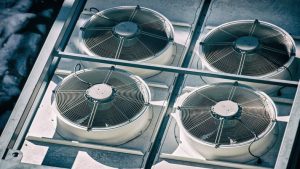
The cooling systems in VFDs are important for maintaining safe operating temperatures. It is essential to inspect and clean cooling fans, ensuring that they are free of dust and operating correctly. Moreover, in systems using liquid cooling, checks should be made to confirm that the liquid cooling equipment is functioning properly. Maintaining the cooling system prevents overheating, which can lead to premature failure of the VFD components. Thermal imaging or other tests can also help to identify any hotspots or cooling issues.
Software Maintenance
VFDs often rely on specific software for operation and monitoring. Keeping the firmware and control software up-to-date is crucial for optimal performance. Regularly checking for software updates helps ensure that the VFD operates efficiently and any potential bugs or security vulnerabilities are addressed promptly. Maintaining accurate records of firmware versions is also beneficial in troubleshooting.
Preventive Maintenance Schedule
To keep a variable frequency drive in top condition, preventive maintenance is recommended. Here are some regular actions for keeping a VFD in top condition.
Daily
- Noise Monitoring: Regularly listen for unusual noises from the VFD, which could indicate potential issues with components such as cooling fans or mechanical parts.
- Environmental Monitoring: Create a report that includes the VFD’s operating environment details, such as:
- Temperature: Ensure it remains within manufacturer specifications.
- Humidity: Monitor and minimize moisture in the environment.
- Voltage and Frequency: Check DC bus voltage and output voltage levels, ensuring they are stable and within acceptable ranges.
Monthly
- Filter Cleaning or Replacement: Inspect and clean or replace filters for any dehumidifiers and ventilation systems associated with the VFD. This includes filters in any storage spaces that house the VFDs to prevent dust buildup.
- Visual Inspections: Conduct comprehensive visual inspections of the VFD and surrounding area to identify signs of dust accumulation, corrosion, leaks, or physical damage.
Annually
- Thorough Cleaning: Perform a detailed cleaning of the VFD unit, including the exterior, cooling fans, ducting, and any filters. Use a vacuum or dry compressed air—avoid solvents or water-based cleaning agents to prevent damage.
- Connection Checks: Inspect all electrical connections for tightness and check terminal blocks. Use a torque wrench to verify connections are tight according to manufacturer specifications, avoiding over-tightening which may cause damage.
- Cooling System Maintenance: Ensure that cooling fans are operational and free from dust. In liquid-cooled systems, check for leaks and ensure liquid levels are adequate.
- Capacitor and Fan Replacement: Replace the main bus capacitors every 7 years and cooling fans every 3 to 5 years, or sooner if performance issues arise.
- Performance Data Analysis: Utilize oscilloscope measurements on the DC bus to check Vdc ripple, ensuring readings indicate proper functioning.
Common Issues and Troubleshooting
| Issues | Troubleshooting tips |
| Overheating | Clean cooling fans and heat sinks regularly. Ensure the VFD is installed in a well-ventilated area. Check fan functionality and replace faulty fans. |
| Input Power Problems | Verify incoming power with a multimeter. Inspect and tighten all electrical connections. Replace blown fuses or faulty breakers. |
| Motor Overload or Overcurrent Trips | Verify and program motor parameters (e.g., rated current, voltage). Check for mechanical issues, for example, jammed motor shafts or overloaded systems. Inspect motor wiring for shorts or damage. |
| Faulty Control Signals | Check the integrity of control wiring and connections. Verify the correct signal levels and settings in the VFD. |
Best Practices for Variable Frequency Drive Maintenance
No matter the size and type of VFD, here are some best practices to follow to ensure safe and efficient operation.
Ensure Proper Installation
Ensure Proper Installation
Install VFDs in clean, dry, and well-ventilated areas, as well as maintain the ambient temperature within the manufacturer’s specified range. Protect against dust, dirt, and moisture by using appropriate enclosures. Use proper cabling, grounding, and shielding to reduce electrical noise. Avoid long cable runs without proper filters to minimize voltage drop and harmonics.
Implement a Preventive Maintenance Schedule
Establish a regular maintenance plan based on the manufacturer’s recommendations. Include visual inspections, cleaning, and also testing of components. Log maintenance activities for future reference as well as trend analysis.
Keep the VFD Clean
Regularly inspect and clean heat sinks, cooling fans, and enclosures. Use non-static brushes or low-pressure air to remove dust, and also prevent condensation by maintaining temperature and humidity control. Avoid cleaning with liquids unless specified by the manufacturer.
Inspect Electrical Connections
Check for loose connections, discolorations, or signs of overheating. Tighten terminals and screws to avoid arcing or voltage drops. Use thermal imaging to identify hot spots in electrical connections.
Variable Frequency Drive Maintenance with Paradigm
At Paradigm Controls, we offer the full range of engineering services to ensure that you have the right variable frequency drive for your application. From design, to installation, and also life extension services for your already existing infrastructure. Contact us today so that we get started on providing a cost-effective solution for you.