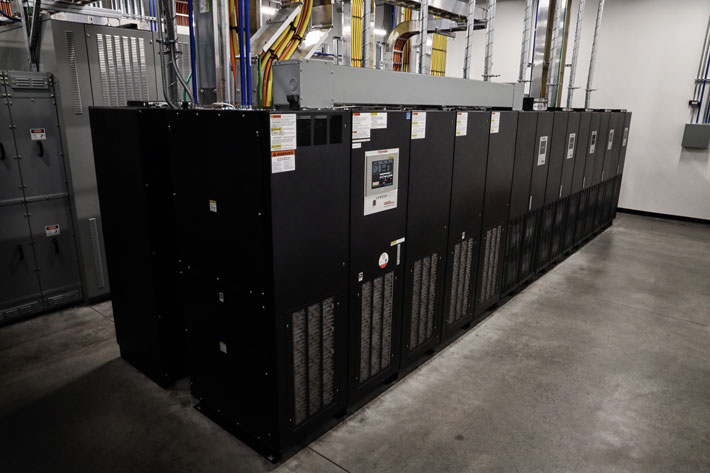
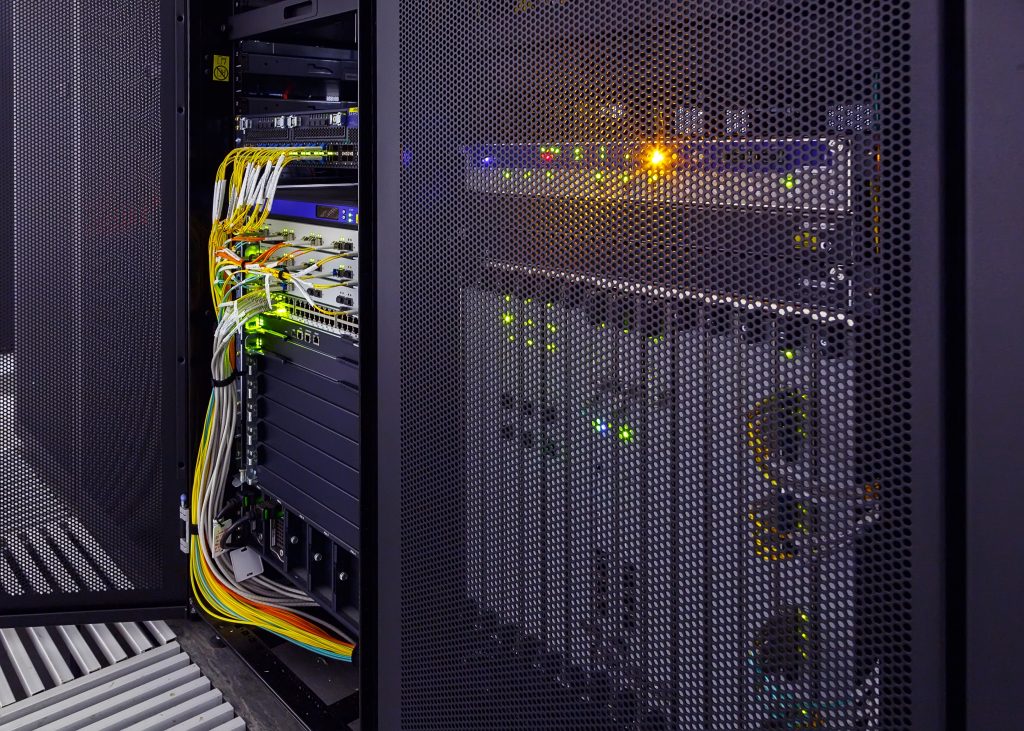
Uninterruptible Power Supply (UPS): Power You Can Count On
Power interruptions are more than just inconvenient—they can be costly, damaging, and even dangerous. Paradigm Controls provides advanced Uninterruptible Power Supply systems to protect your critical infrastructure from unexpected outages, surges, and voltage fluctuations. Whether safeguarding a data center, hospital, industrial plant, or telecommunications system, a properly integrated UPS ensures reliable performance and peace of mind.
What Is a UPS and How Does It Work?
A UPS (Uninterruptible Power Supply) is a backup power system that provides emergency power to connected equipment when the primary power source fails or becomes unstable. Unlike generators, these systems deliver instant, seamless power without delay—bridging the gap between outage and recovery.
Here’s how it works:
Instant Backup Power When the main power supply is interrupted, the UPS immediately switches to its internal battery, keeping your systems running without skipping a beat.
Voltage Regulation Many UPS systems stabilize voltage by automatically correcting under-voltages (brownouts) or over-voltages (spikes), protecting sensitive devices from damage.
Noise and Surge Protection Uninterruptible Power Supply units filter out electrical noise, transient spikes, and frequency anomalies that could otherwise cause malfunction or data corruption.
Smooth Transition Between Power Sources Advanced UPS topologies—such as line-interactive and double-conversion (online) models—offer near-zero transfer time for uninterrupted operation during switchovers.
Why a UPS Is Essential
In today’s interconnected world, uptime is critical. These systems do more than keep the lights on; they play a pivotal role in protecting valuable assets and maintaining business continuity.
Protects Equipment from Damage
Power disturbances can overheat components, short-circuit devices, or prematurely wear out hardware. A UPS shields your equipment from those risks, especially in facilities where power quality is unpredictable.
Maintains Data Integrity
When power fails abruptly, data in transit can be lost or corrupted. These systems keep your servers, storage arrays, and network devices online long enough to shut down safely or continue operating until backup generators engage.
Enhances Operational Resilience
From medical labs to industrial automation lines, every second counts. A UPS ensures that critical systems stay online, reducing downtime, improving reliability, and protecting productivity.
Enables Remote Monitoring
Modern systems come equipped with smart monitoring tools, allowing you to track battery health, runtime, power quality, and load status remotely—making maintenance easier and downtime less likely.
Common UPS Applications
Uninterruptible Power Supply systems are a cornerstone of power resilience in a wide range of industries and facilities:
Data Centers Ensure continuous operation and data protection for mission-critical IT infrastructure.
Healthcare Facilities Provide backup for life-saving equipment, electronic records, and diagnostic systems.
Manufacturing Plants Protect automation systems and prevent unscheduled shutdowns that could damage machinery or disrupt production.
Financial Institutions Maintain transaction continuity, safeguard records, and support 24/7 operations in banking environments.
Telecommunications and Broadcasting Prevent signal loss and protect communication networks that must stay active around the clock.
Control and Monitoring Systems Maintain uninterrupted SCADA, PLC, or EMS operation in energy, water, and transportation networks.
Types of UPS Systems
UPS systems come in different designs depending on the level of protection and runtime required:
Standby (Offline) Basic protection for small devices. The battery kicks in only during a power outage.
Line-Interactive Regulates voltage fluctuations and offers faster switchover times—ideal for office servers or network closets.
Double-Conversion (Online) Provides the highest level of power protection by continuously converting power from AC to DC and back again. Suitable for high-load, mission-critical applications.
Key UPS Features to Consider
When choosing the right UPS system for your application, consider the following:
Power Capacity (kVA or kW) to match the load.
Battery Runtime to support critical functions during outages.
Scalability for future growth.
Maintenance Bypass Options for service without downtime.
Redundancy (N+1 or 2N) for maximum system reliability.
Communication Ports (SNMP, USB, dry contacts) for monitoring.
Partner with Paradigm Controls for Reliable UPS Integration
At Paradigm Controls, we do more than just supply UPS systems—we engineer complete power continuity solutions. From specification and system design to installation and ongoing support, we help you build resilience into your infrastructure.
Our team will help you:
Identify the right system for your environment.
Integrate UPS with your power distribution and control architecture.
Ensure regulatory compliance and safety.
Plan for maintenance, testing, and battery replacement cycles.
Contact us today and let us get started on delivering the ideal UPS solutions for your application.