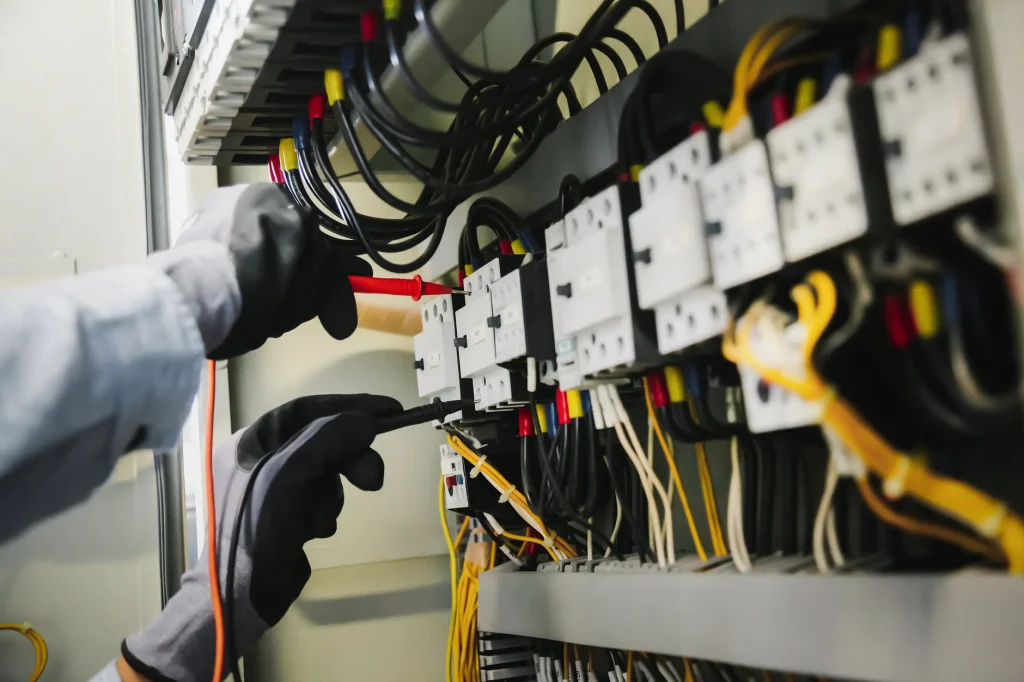
Turnkey retrofit work refers to comprehensive solutions for upgrading and modernizing existing systems with minimal disruption. This article explores the benefits of turnkey retrofit work, details of a typical project, and considerations when choosing a retrofit partner.
Benefits of Turnkey Retrofit Work
A Turnkey retrofit project is an all-in-one solution for technology renovations. These renovations include everything from updating the systems and equipment to enhancing comfort. The following are some benefits of turnkey retrofit projects:
- Improved System Efficiency: Whether modernizing a CNC factory or upgrading HVAC, turnkey retrofit work updates outdated equipment or systems with the latest technology. Therefore, significantly enhancing efficiency, reducing operational costs and environmental impact in the long run.
- Reduction of Downtime: Since turnkey retrofits are designed for maximum efficiency, they often reduce installation downtime. The contractor can strategically plan and execute the retrofit, ensuring that the transition is seamless and minimally disruptive to daily operations.
- Compliance with Updated Standards: As industries evolve, so do regulations surrounding energy efficiency and equipment safety. Retrofitting the existing system generally involves addressing modern safety, energy efficiency, and environmental standards. Compliance reduces the risk of penalties, ensures safety, extends equipment lifespan, and aligns operations with modern sustainability goals.
- Overall Cost Savings: Although retrofits may require an initial investment, they deliver long-term cost benefits. Retrofits focus on the optimal use of existing equipment and components rather than replacing them. Subsequently, those who undergo turnkey retrofit projects experience saving costs because of better energy efficiency and system productivity.
Turnkey Retrofit Work Process
A successful turnkey retrofit project involves several critical steps, from initial assessment to final implementation. Each stage plays a vital role in the overall success of the project.
Initial Assessment
The first step in the turnkey retrofit process is conducting a thorough assessment of the existing systems. This includes evaluating current equipment performance, identifying inefficiencies, and gathering data on energy consumption. A feasibility study follows, focusing on potential improvements and expected returns on investment. Collaboration with key stakeholders is essential during this phase. Engaging with the end-users ensures that the retrofit aligns with operational needs and expectations. This alignment helps to identify priorities for the retrofit, whether that means improving energy efficiency, enhancing performance, or reducing maintenance costs.
Design and Planning
Once the assessment is complete, the next phase involves planning and design. Engineers work collaboratively to create detailed design specifications that outline the required upgrades and modifications. This phase includes selecting appropriate technologies and equipment to achieve the desired improvements. Effective planning also involves risk management strategies, considering potential challenges that may arise during the installation process. By anticipating risks, the team can develop contingency plans that minimize disruptions and ensure project timelines remain intact.
Procurement and Contracting
Following the design phase, procurement of new equipment and technologies commences. Working with trusted suppliers like Paradigm Controls is crucial to ensure that high-quality materials are sourced. The contractor now takes the lead on all procurement activities, simplifying the process for the project owner. Simultaneously, contracts are finalized to ensure all deliverables are clearly defined. This includes timelines, budgets, and specifications. An effective contract outlines the responsibilities of the contractor and protects the project owner’s interests.
Implementation
As procurement wraps up, the installation phase begins. The contractor mobilizes teams to commence work on site, adhering to the planned schedule while maintaining open lines of communication with all stakeholders. Safety protocols are rigorously followed to mitigate risks associated with on-site work. Installation entails the integration of new technologies with existing systems. This requires meticulous attention to detail to ensure compatibility and functionality. Continuous monitoring during this phase helps to identify any issues before they escalate.
Testing and Commissioning
Once installation is complete, the commissioning phase follows. This step includes thorough testing of the upgraded systems to verify their performance against design specifications. A successful commissioning process ensures the systems operate efficiently, safely, and as intended. Collaboration between the contractor and the owner continues at this stage. Feedback from operators is invaluable in confirming that the systems meet operational requirements and expectations.
Ongoing Support
The turnkey retrofit process does not end with commissioning. There is a need to provide ongoing support for consistent performance and durability throughout the lifespan of a retrofitted project. This support includes routine maintenance, efficiency monitoring, fault resolution, future updates, etc. Also, periodic performance reviews help ensure the system remains efficient, compliant with updated regulations, and aligned with the client’s evolving needs.
Key Factors in Choosing a Turnkey Retrofit Work Partner
Although turnkey retrofit strategies streamline the modernization of various systems, the final result significantly depends on the contractor. Therefore, choosing a retrofit partner that meets your objectives requires different critical considerations.
Experience and Expertise
Choosing a turnkey retrofit partner that has a proven record of accomplishing related projects is essential to handle the potential challenges. Case studies and client testimonials can provide insights into their capabilities. For instance, if you need to retrofit your electrical distribution center, choose a contractor with a successful track record in the electrical industry.
Comprehensive Services
Ensure the company or contractor provides end-to-end solutions, including evaluation, planning, installation, testing, and future maintenance. This single point of contact streamlines coordination and reduces administrative overheads.
Quality and Compliance
Meeting the new industry standard is another critical aspect of successful retrofitting. So, ensure that the competent partner’s work complies with safety, performance, and environmental standards. You can ask whether they follow certified products and certifications like ISO standards.
Client Testimonials and References
Seek out client testimonials and references to gauge past performance. Insights from previous clients can help you understand the partner’s reliability, quality of work, and ability to meet deadlines.
Turnkey Retrofit Work with PCTX
At Paradigm, we understand the importance of modernizing electrical systems to meet evolving needs while ensuring utmost safety and efficiency. Our Turnkey Retrofit Solutions offer comprehensive upgrades tailored to your specific requirements, providing seamless integration and enhanced functionality. Whether you’re seeking to optimize energy consumption, comply with regulatory standards, or improve operational performance, our solutions are designed to exceed your expectations. Contact us today for more details.