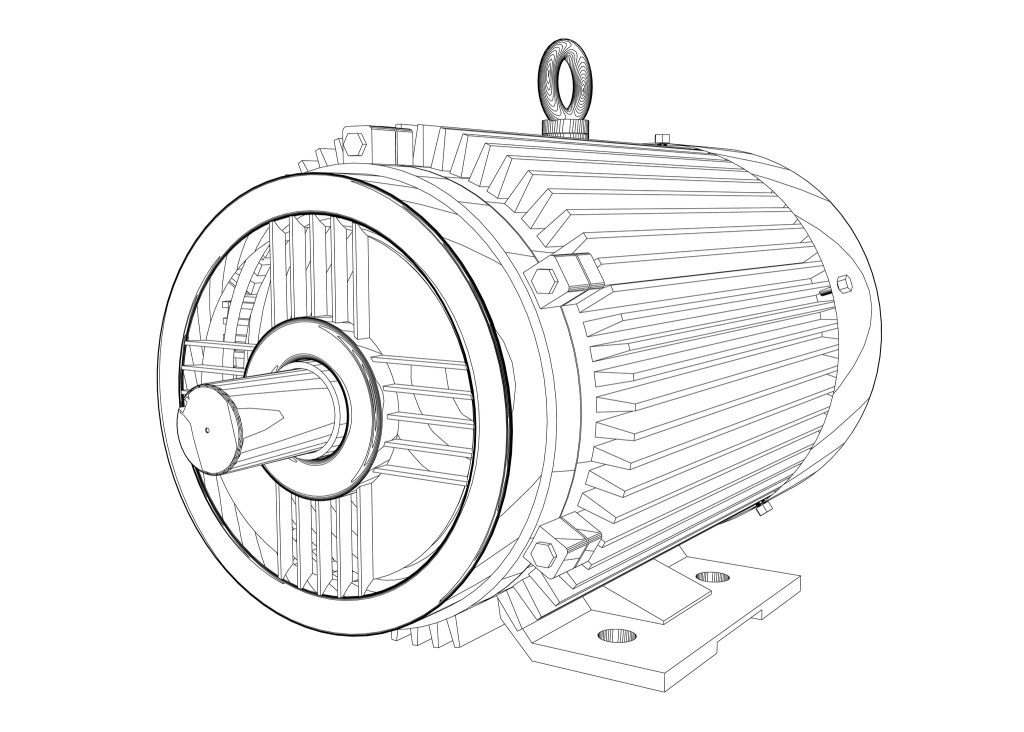
Selecting the right drive for a motor is crucial for optimizing performance and energy efficiency in industrial applications. This article reviews what a motor drive is, factors influencing motor drive selection, drive types, and their advantages and disadvantages.
What is a Motor Drive?
A motor drive is an electronic device that controls the operation of an electric motor. It achieves this by regulating the power supply to the motor, therefore, allowing for precise control over its speed, torque, and direction. Drives are common in a wide range of industrial applications, including manufacturing, HVAC systems, and transportation.
Importance of Motor Drive Selection
Selecting the right motor drive offers a lot of benefits to a system. Some of these include efficient motor operation, reducing energy consumption, and minimizing wear and tear on the motor. It can also enhance the overall performance of a system, leading to better productivity and cost savings. Moreover, the right drive can prolong the lifespan of the motor and the associated machinery, thereby reducing maintenance costs and downtime.
Factors to Consider in Motor Drive Selection
There are several factors to consider when selecting a motor drive, with the following sections highlighting some.
Motor Type
First, identify the type of motor you are using. The suitability of a drive will vary according to the type of motor in place, with the most common as follows:
- AC Motors: These are common in industrial applications and require AC drives, or Variable Frequency Drives (VFDs) for speed control. Generally, AC motors are robust, durable, and suitable for various applications.
- DC Motors: DC motors serve in applications requiring high starting torque. They are also ideal for applications that need smooth and precise control over a wide range of speeds.
- Servo Motors: These motors serve in applications requiring precise positioning and speed control, such as robotics and CNC machinery.
Load Characteristics
The characteristics of the load on the motor is an important consideration when selecting an appropriate drive. Two main types of loads to consider are as follows:
- Constant Torque Loads: Common in applications like conveyors and mixers where the torque requirement remains constant across different speeds. These applications benefit from drives that can maintain a steady torque output.
- Variable Torque Loads: Devices such as fans and pumps where the torque requirement varies with speed constitute variable torque loads. These applications need drives to adjust the torque output according to the load, hence, ensuring energy efficiency and optimal performance.
Speed and Torque Requirements
When selecting a drive, it is necessary to assess the speed range and torque requirements for your application. The drive should be capable of providing the necessary speed control and torque output to meet the operational needs. For example, applications requiring rapid acceleration and deceleration may need drives with high dynamic performance.
Power Rating
Selecting a drive with an appropriate power rating prevents overloading/underloading and also ensures efficient performance. It is important to consider both the continuous and peak power ratings of the drive to handle varying load conditions effectively.
Environmental Conditions
Consider the environmental conditions in which the drive will operate. Factors such as temperature, humidity, dust, and vibration can impact the drive’s performance and lifespan. So, choose a drive design that can withstand the specific environmental conditions of your application. For example, harsh environments require drives with robust enclosures and protective features.
Types of Motor Drives
There are several types of motor drives, with each having its advantages and disadvantages. The following sections review some of the most common in industry.
Variable Frequency Drives
VFDs control the speed of AC motors by varying the frequency of the power supplied to the motor. They enjoy widescale adoption in industrial applications because they are energy-efficient, provide precise speed control, and reduce wear on mechanical components. Also, they offer flexibility in adjusting motor speed and torque to match process requirements, as well as soft-starting. On the downside, they have a higher initial cost and may require additional components like filters to mitigate harmonics.

Variable Frequency Drive
Direct Current (DC) Drives
DC drives control the speed and torque of DC motors by varying the voltage and current supplied to the motor. They offer high starting torque and precise speed control, therefore, making them suitable for applications requiring frequent starting and stopping. DC drives are known for their simplicity and ease of control. However, DC motors and drives can be more expensive and require more maintenance in comparison to AC systems. This is because their brushes and commutators are prone to wear, necessitating regular maintenance.
Servo Drives
Servo drives provide precise control of position, speed, and torque in servo motors, commonly used in automation and robotics. Because they offer high precision and fast response, they are suitable for complex motion control applications. But this comes at a higher cost and complexity in setup and programming. Moreover, they require careful tuning and calibration to achieve optimal performance.

Servo Motor for CNC Machining
Soft Starters
Soft starters gradually increase the motor voltage during startup, reducing the inrush current and mechanical stress. As a result, they reduce mechanical wear, extend motor lifespan, and are lower in cost compared to VFDs. Soft starters are usually not stand-alone, rather, they often serve in complementing other types of drives. This is because they have limited speed control capabilities, so they are primarily used for starting and stopping motors.
Best Practices in Motor Drive Selection
Beyond the key considerations in the motor drive selection process, there are best practices common in the industry. The following sections highlight some of them.
Perform a Detailed Application Analysis
Conduct a thorough analysis of the application’s requirements, including load characteristics, speed and torque needs, and environmental conditions. This analysis will help in selecting the most suitable drive for the motor. Consider factors such as duty cycle, peak demands, and potential for future changes in the application.
Consider Energy Efficiency
Energy-efficient drives can significantly reduce operational costs and contribute to sustainability goals. Look for drives with high efficiency ratings and features like regenerative braking. Energy savings can be substantial, especially in applications with varying load conditions and long operating hours.
Evaluate Control Features
Different drives offer various control features, such as programmable logic controllers (PLCs), communication interfaces, and advanced diagnostics. Evaluate these features to ensure they meet the specific needs of your application. Advanced control features can enhance system performance, facilitate integration with other equipment, and provide valuable data for monitoring and maintenance.
Ensure Compatibility
Ensure that the selected drive is compatible with the existing motor and control system. Check the drive’s specifications, including voltage, current, and communication protocols, to avoid compatibility issues. Proper compatibility ensures seamless integration and also prevents potential operational problems.
Plan for Future Expansion
Consider the potential for future expansion and scalability when selecting a drive. Choose a drive that can accommodate future increases in load or additional features without requiring a complete system overhaul. Planning for scalability can save costs and effort in the long term, therefore allowing for easier upgrades and adaptations.
Motor Drive Selection with Paradigm Controls
Selecting the right motor drive is critical for the performance, efficiency, and longevity of your industrial equipment. At Paradigm Controls of Texas, we help make this decision easy for you by tapping into our wealth of experience spanning almost two decades. We also offer top-of-the line VFDs, which are the most common in the industry, that will revolutionize your operations. Contact us today for more details.