Insulation in switchgears is critical for maintaining the safety and reliability of electrical distribution systems. Different materials can serve as insulation such as air, gas, and solids depending on the demands of the system. Out of these options, air-insulated switchgear (AIS) is the most common option, due to its desirable features. In this article, we explore components of air-insulated switchgear, their functions, and the benefits of using AIS in electrical systems.
What are Air-Insulated Switchgears
Air-insulated switchgear is a type of switchgear where air serves as the primary dielectric to insulate the electrical components. Unlike gas-insulated switchgear (GIS), which uses gas like SF6, AIS relies on air to provide the necessary insulation between different phases and the ground. AIS is common in medium to high voltage applications and is known for its robustness, simplicity, and ease of maintenance.
Key Components of Air-Insulated Switchgear
Air-insulated switchgear consists of several components that work together to control and protect electrical systems. Each component serves a distinct function, contributing to the overall reliability and safety of the power distribution network. The following sections discuss a few of these key components.
Circuit Breakers
Circuit breakers are arguably the most critical component of an AIS. Their primary function is to protect the electrical circuit by interrupting the flow of electricity in the event of a fault, such as a short circuit or overload. Modern circuit breakers utilize advanced technologies, such as vacuum and air insulation, to enhance their performance. Also, they operate quickly in response to faults, ensuring minimal disruption to the electrical supply. Additionally, circuit breakers provide a means of safely disconnecting power during maintenance operations.

Disconnectors
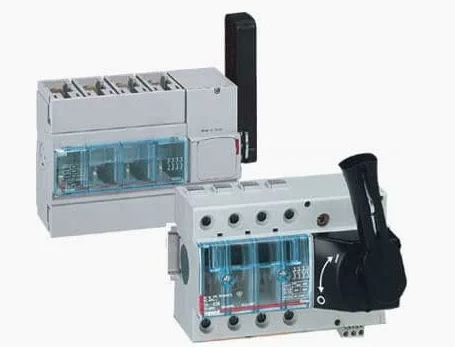
Disconnectors, or isolators, serve in isolating parts of the electrical circuit for maintenance or during fault conditions. Unlike circuit breakers, disconnectors do not interrupt live current; instead, they provide a visible break in the circuit to ensure safety during maintenance tasks. This protection is crucial for maintenance personnel, allowing them to work on de-energized equipment without the risk of accidental electrocution.
Voltage and Current Transformers
Voltage transformers (VTs) and current transformers (CTs) are essential for measuring electrical quantities and monitoring system performance. VTs step down high voltages to safer levels for measurement, enabling operators to monitor and control the power system effectively. Meanwhile, CTs convert high currents into lower, manageable levels, facilitating accurate metering and protective relaying. Together, these transformers ensure the safe operation of the AIS by providing vital data for system monitoring and control.

Surge Arresters
Surge arresters protect the switchgear and downstream equipment from transient overvoltages caused by lightning strikes or switching operations. These devices divert surplus voltage to the ground, thus, safeguarding insulation and preventing damage to critical components. By incorporating surge arresters, AIS systems enhance their resilience against electrical surges, ensuring reliable operation under adverse conditions.
Busbars
Busbars serve as the electrical backbone of AIS, facilitating the distribution of power among various switchgear components. Typically made of sturdy metal, busbars connect different parts of the switchgear and ensure efficient current flow. They are often designed to handle high current levels while maintaining optimal electrical connectivity. Busbars promote stability and reliability within the AIS system, allowing for seamless distribution of power to various circuits.
Earthing Switches
Earthing switches serve to ground the circuit, hence, ensuring that any residual currents are safely dissipated. This component is crucial for the safety of maintenance personnel and also the protection of equipment.
Protective Relays
Protective relays are essential for detecting abnormal conditions in the electrical system, such as faults or overloads. In addition, they help in triggering the appropriate response, such as tripping a circuit breaker.
Fuses
Fuses provide overcurrent protection by melting and interrupting the circuit when excessive current flows. They are primarily found in medium- or low-voltage AIS systems. The major types of fuses common in AIS systems are drop-out fuses and cartridge fuses. Fuses are useful in AIS systems as they are less prone to mechanical failures.
Benefits of Using Air-Insulated Switchgear
Employing air-insulated switchgear in electrical systems provides numerous advantages over other switchgear technologies. The following sections highlight some of these merits.
Cost-Effectiveness
One of the most significant benefits of AIS is its cost-effectiveness. Compared to GIS, which requires expensive gases like SF6 for insulation, AIS utilizes readily available air as its insulating medium. The materials and construction methods for AIS are generally less expensive, hence, making it a more economical choice for power distribution applications.
Ease of Maintenance
AIS designs typically feature an open structure, allowing for easy access to components for inspection and maintenance. This ease of maintenance can lead to significant cost savings over the lifespan of the equipment. Because personnel can quickly conduct visual inspections or replace faulty components without requiring specialized tools or protective equipment.
Environmental Friendliness
Air-insulated switchgear is inherently more environmentally friendly in comparison to its gas-insulated counterpart. It does not rely on high global warming potential gases like SF6, which are used in GIS. As a result, AIS is a sustainable choice for modern electrical infrastructure, aligning with growing environmental regulations and industry standards focused on reducing carbon footprints.
Robustness and Reliability
The design of AIS enables it to operate in various environmental conditions, making it suitable for outdoor installations. Its open-air design allows for efficient cooling, reducing overheating risks. Additionally, AIS is robust enough to withstand, extreme temperatures, and high humidity, ensuring continuous operation even in challenging circumstances.
Versatility in Applications
Air-insulated switchgear finds extensive use in diverse applications, from utility transmission networks to industrial facilities and urban distribution grids. Its adaptability makes it suitable for low and high voltage applications, enhancing its appeal across various sectors.
Air-Insulated Switchgears from Paradigm Controls
Paradigm Controls offers comprehensive engineering in designing your switchgear systems for maximum reliability and safety. Our design team is ready to collaborate in carefully selecting the right components for your switchgear, whether it is air-insulated, or an alternative insulation. With over two decades experience in this industry, you can be sure of quality in accordance with all applicable standards.