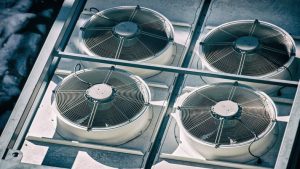
Regular HVAC maintenance is crucial for ensuring efficient operation, reducing energy costs, and prolonging the lifespan of your system. This article explores HVAC maintenance importance, maintenance checklist, common problems and solutions, as well as energy saving tips.
Importance of HVAC Maintenance
Regular HVAC maintenance cannot be overstated, with the following sections highlighting some of its benefits.
Improved Efficiency
A well-maintained HVAC system operates more efficiently, minimizes energy waste, and also prevents the system for overworking. On the other hand, neglecting maintenance can result in dust and debris accumulation, which limits airflow and increases energy consumption.
Cost Savings
While it may seem trivial, investing in regular maintenance can save owners a significant amount in repair costs over time. Simple maintenance tasks, such as changing filters and cleaning components, can prevent costly breakdowns, thus, preventing expensive repairs.
Enhanced Indoor Air Quality
Regular maintenance is crucial for maintaining good indoor air quality. A clean system effectively filters out dust, allergens, and contaminants. Hence, reducing the risk of respiratory issues and enhancing the overall comfort of the cooling space.
Increased Safety
Routine checks can identify potential hazards, such as gas leaks or faulty wiring. Ensuring that HVAC systems are functioning safely can prevent catastrophic failures and also ensure a secure environment.
Fulfilling Warranty Requirements
Many HVAC manufacturers require proof of regular maintenance to uphold warranties. Keeping good maintenance records can protect owners from unexpected costs related to system failures.
HVAC Maintenance Checklist
To ensure that maintenance tasks are conducted consistently and thoroughly, an HVAC maintenance checklist can be an invaluable tool. Below is a comprehensive checklist that can be implemented periodically.
Monthly Tasks
- Replace or clean the air filter.
- Check thermostat settings for accuracy.
- Inspect the system for any unusual noises or vibrations.
- Clean around the outdoor unit to ensure proper airflow.
- Check indoor vents for obstructions and then clean as necessary.
Quarterly Tasks
- Clean and inspect both condenser and evaporator coils.
- Test refrigerant levels and also check for leaks.
- Inspect and clean blower assembly, if applicable.
- Check and clean drain lines.
- Inspect humidity levels and adjust if necessary.
Semi-Annual Tasks
- Check heating and cooling operations at the beginning and end of the seasons.
- Inspect and clean out the heat exchanger for any corrosion.
- Test the operation of safety controls as well as gauges.
- Clean and inspect ductwork for leaks and cleanliness.
Annual Tasks
- Conduct a complete system inspection by a professional HVAC technician.
- Have the entire system tuned up, including adjustments of all components, and also recalibration of gauges if need be.
- Review and reevaluate insulation around ductwork and HVAC units.
- Inspect and replace any worn parts, such as belts and bearings.
HVAC Problems and Solutions
This section reviews some common HVAC issues and a troubleshooting guide.
Poor Airflow
If the system is blowing weakly, check for dirty air filters or blocked ducts. Clogged filters should be cleaned or replaced, and ducts should be inspected for any obstructions.
Inconsistent Temperatures
This could indicate an issue with the thermostat, duct leaks, or inadequate insulation. First, verify that the thermostat is functioning correctly. If the thermostat is fine, inspect ductwork for leaks.
Refrigerant Leaks
If you notice low cooling efficiency, inspect for signs of refrigerant leaks. Ice forming on refrigerant lines can also indicate low levels. On detecting this, call a professional to assess and recharge the refrigerant.
Noisy Operation
Unusual noises such as grinding or squealing often indicate component wear. Inspect moving parts and consider lubricating them or tightening loose screws.
System Not Turning On
If the HVAC system does not start, check the thermostat batteries, circuit breaker, and power connections. Reset the breaker if tripped, and replace batteries in the thermostat as necessary.
Water Leaks
A leak may arise from clogged condensate drains. Cleaning the drain line should resolve this issue. If leaks persist, consult a technician.
Best Practices for HVAC Maintenance
To ensure the longevity and efficiency of HVAC systems, here are some best practices:
- Schedule Regular Maintenance: Partner with a reputable HVAC service provider for routine maintenance. Scheduling seasonal check-ups can prevent major issues down the road.
- Invest in Quality Components: When carrying out replacements or repairs, consider using high-quality parts and filters that offer better performance.
- Educate Yourself: Familiarize yourself with your HVAC system and its specific maintenance needs. Moreover, being conversant with the manufacturer’s guide/manual will help detect issues early and maintain optimal performance.
- Keep Records: Maintain a detailed maintenance log that includes service dates, tasks performed, and any parts replaced. This will aid in warranty claims and future maintenance scheduling.
HVAC Energy Saving Tips
Optimizing energy efficiency is crucial for reducing costs and environmental impact. Here are some effective tips to achieving this.
Use Programmable Thermostats
Programming temperature settings based on your schedule ensures the HVAC system runs only when needed, hence, reducing energy consumption significantly. For example, lower temperature settings during peak periods, then increase temperature settings during off-peak.
Seal Ducts Properly
Inspect and seal any leaks in ductwork to prevent energy loss. Effective sealing can reduce HVAC energy consumption by up to 30%.
Increase Insulation
Proper insulation in walls, attics, and around ducts minimizes energy loss.
Regularly Change Filters
Clean or replace filters every month or two during peak seasons. This simple task can considerably improve energy efficiency, because the compressor does less work in cooling the space.
Limit Use of Appliances During Peak Hours
Minimize the use of heat-generating appliances, like ovens and dryers, during the hottest parts of the day.
Maintain Outdoor Units
Keep outdoor condensers clear of debris. Also, having a shade over them helps significantly.
Consider Upgrading Equipment
If your HVAC system is more than 10 years old, consider upgrading to a more efficient model. Newer systems consume significantly less energy.
HVAC Maintenance with Paradigm Controls
Paradigm Controls of Texas provides preventive maintenance (PM) packages for all your HVAC systems. Our typical PM package begins with an initial review by our certified HVAC technicians, then we draft a plan suitable for your system. With every PM, we provide a professional maintenance report, offering insights to the system performance and improvement options. As a result, optimizing your HVAC life cycle and preventing unscheduled downtime. Contact us today as we partner in delivering energy efficient and cost-effective solutions to you.